NONORARA01_TsugakuReview
reflection · public
Overview
Tsugaku took place over two days, from 18–19 July 2026, across Kyoto and Osaka.
This page presents the completed public archive of NONORARA 01: Tsugaku, including selected exhibition photographs, process documentation, moving images, and records produced after the action.
Across the two days, more than 100 GB of material was recorded on four devices. Only part of this material is presented here, while the remainder continues to be preserved as the project’s primary archive.
Review
Tsugaku was completed over two days, although the action itself unfolded differently from its initial expectations.
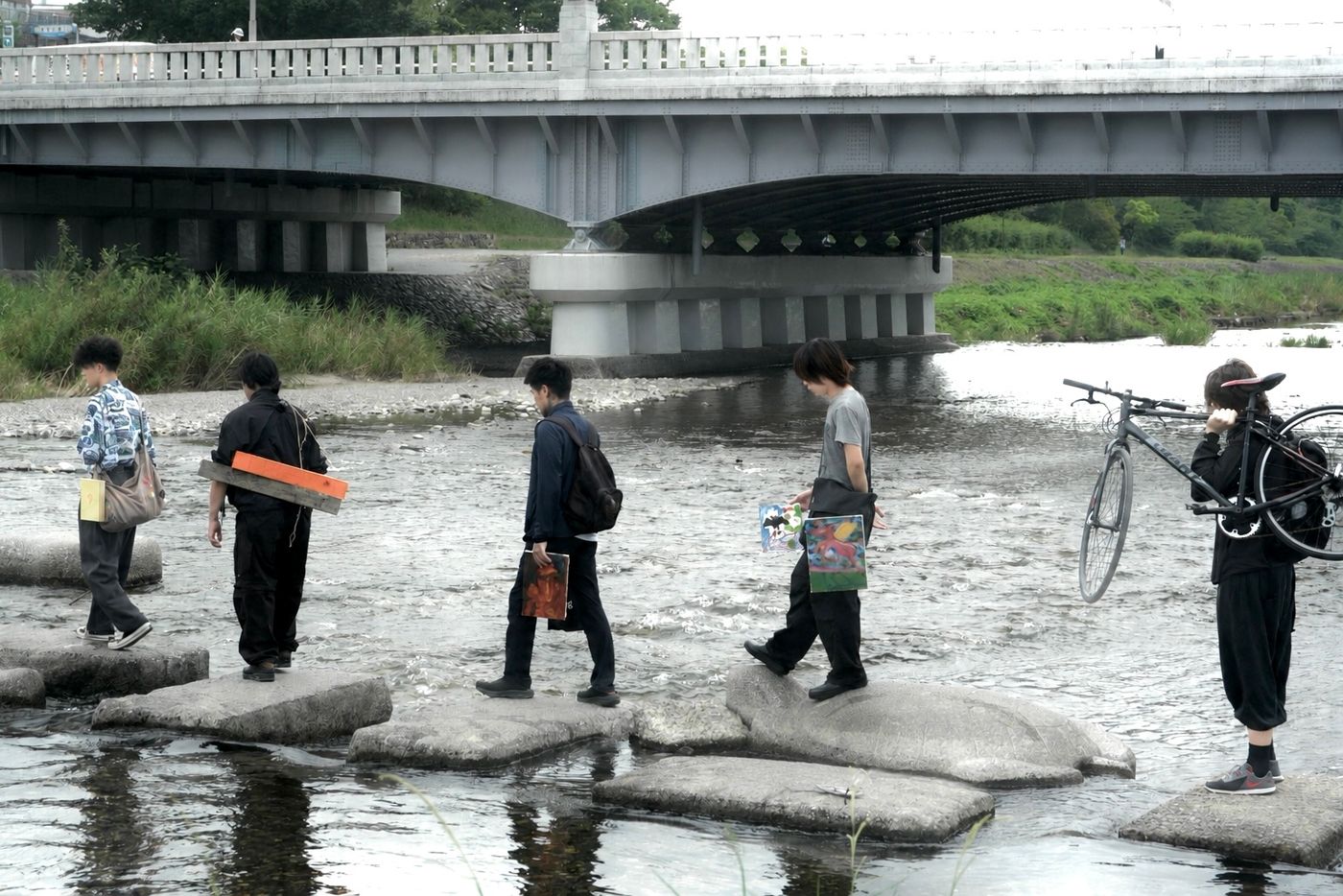
On the first day, extreme heat and delayed arrivals meant that four of the five participating members arrived late, making it impossible to carry out the planned presentation at Okazaki Park. The route was therefore revisited before travelling to Osaka on the second day. Throughout the project, routes, stopping points, display methods, and photographic responsibilities were continuously adjusted in response to real conditions. The final route became the result of ongoing decisions rather than the execution of a fixed plan.
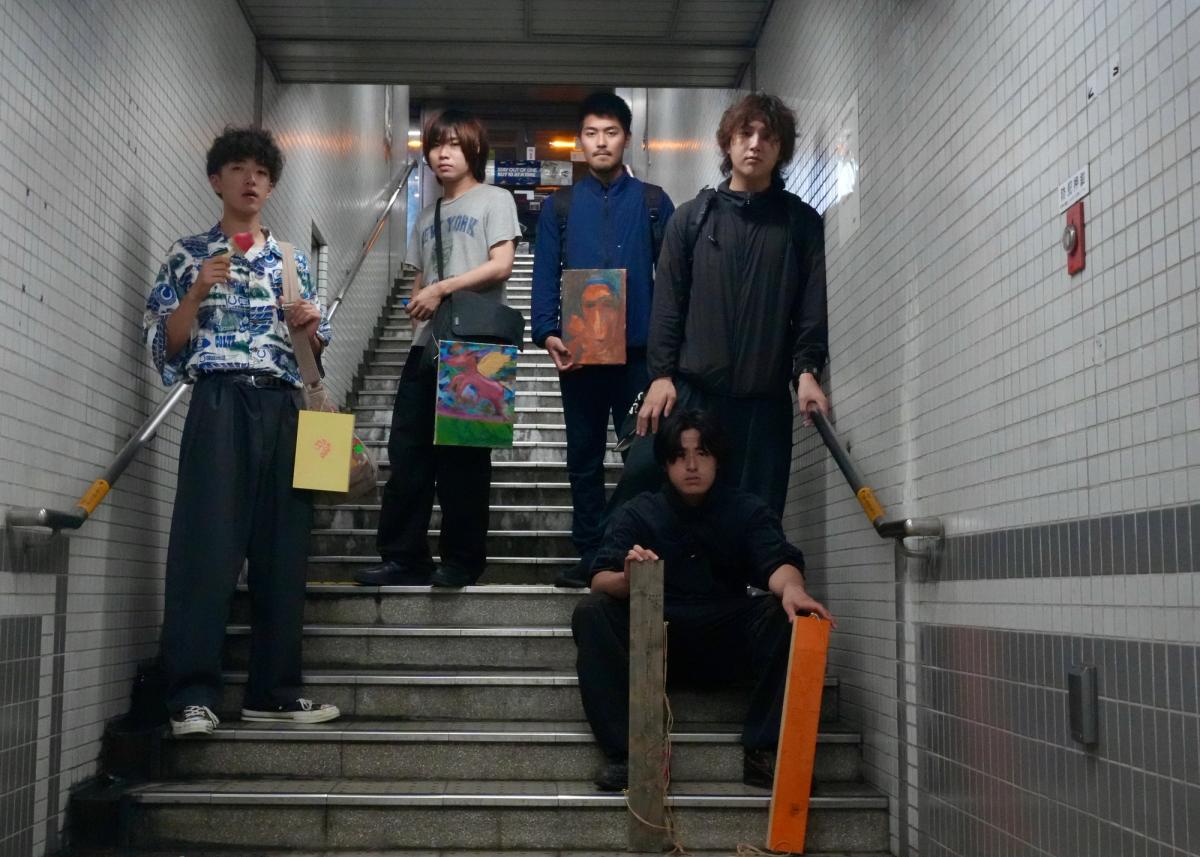
Most participants did not fully understand the project before it began. That understanding gradually emerged through moving, waiting, exhibiting, documenting, discussing, and collaborating together. For many members, this was not only an exhibition, but also their first experience of completing a collective action under real conditions.
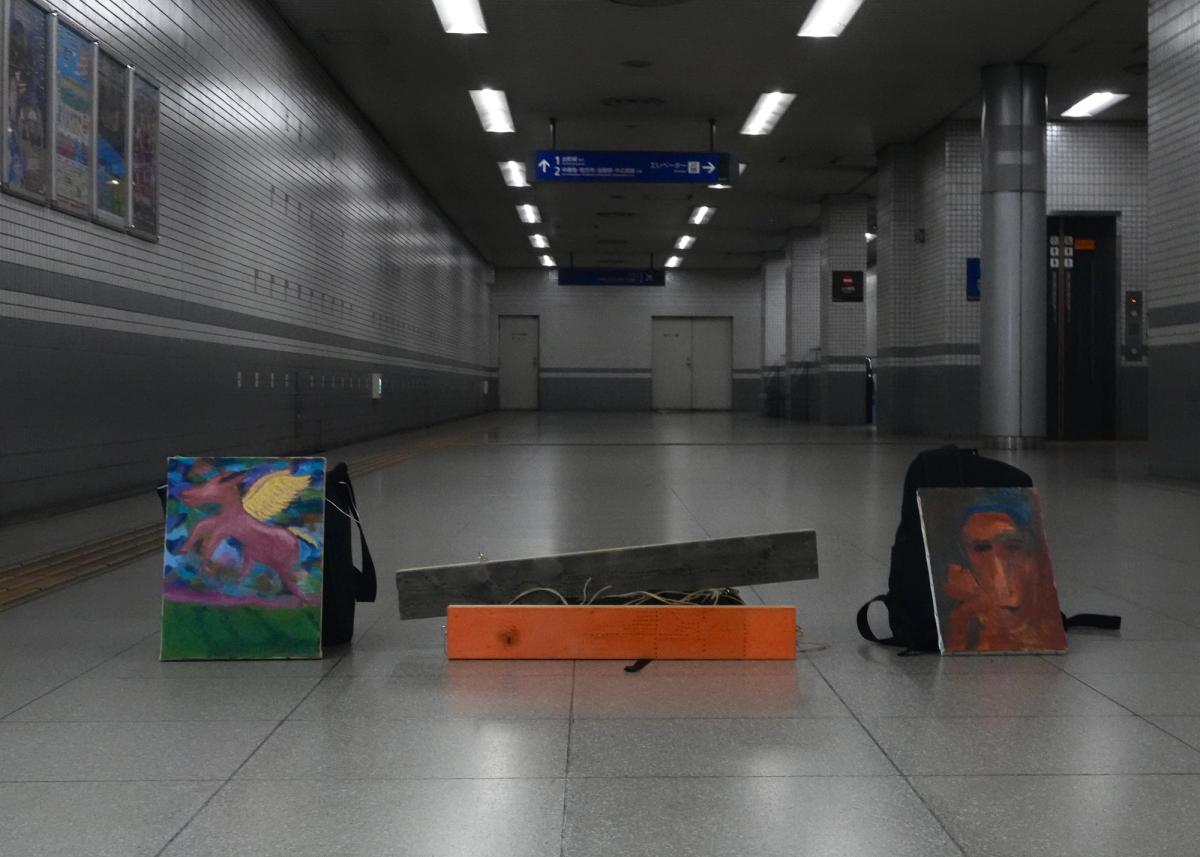
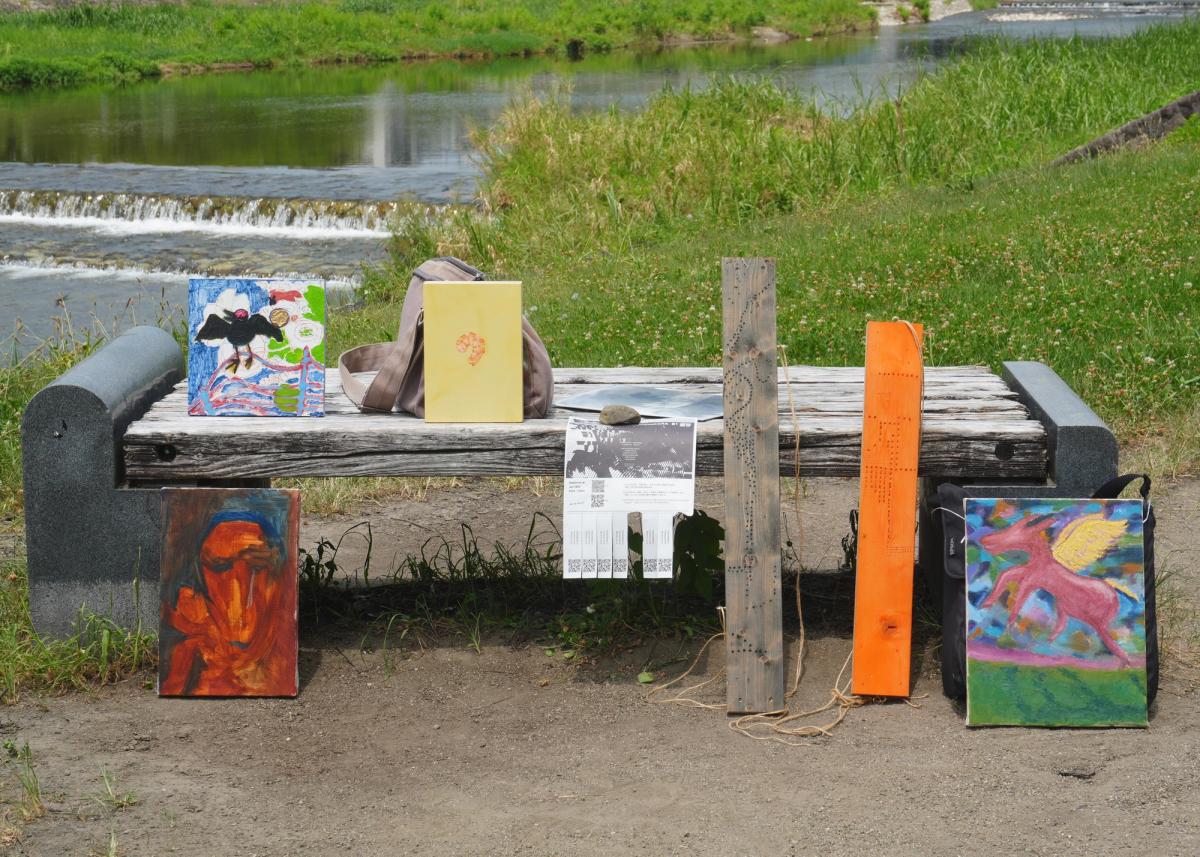
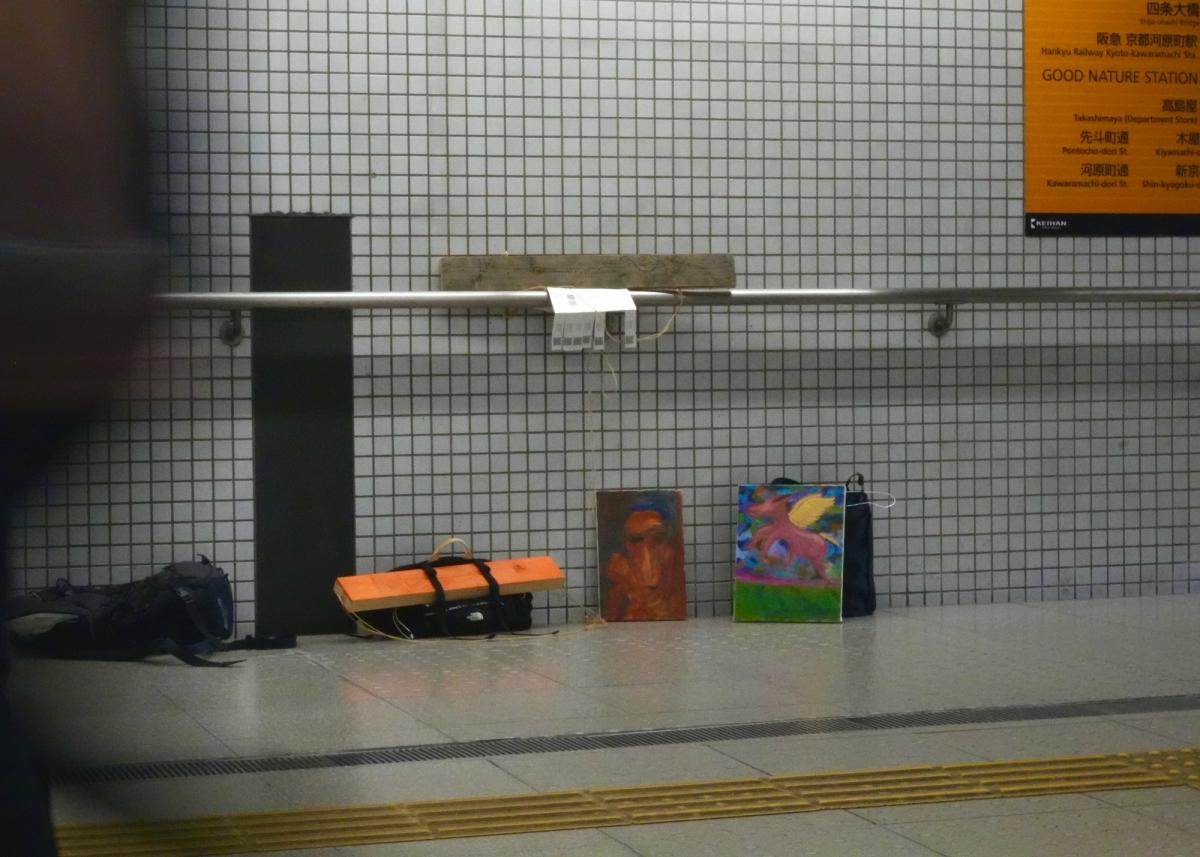
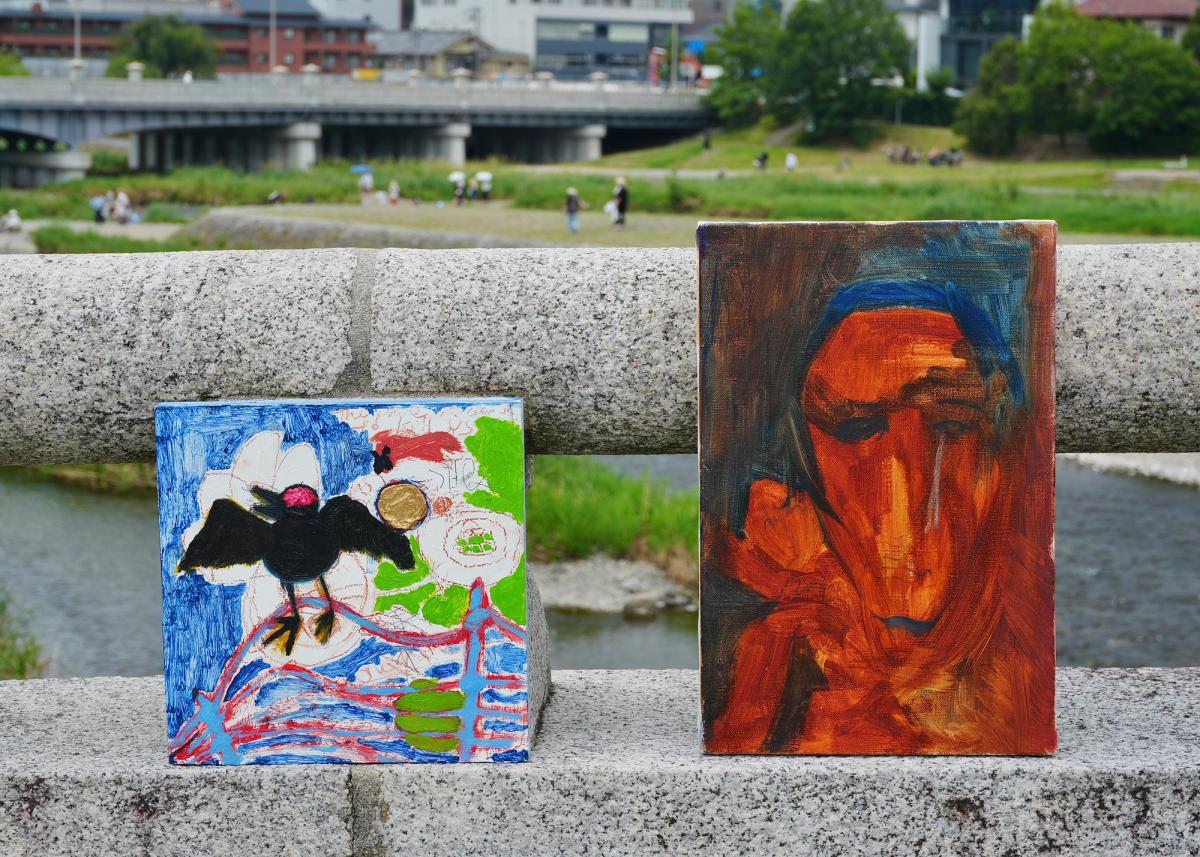
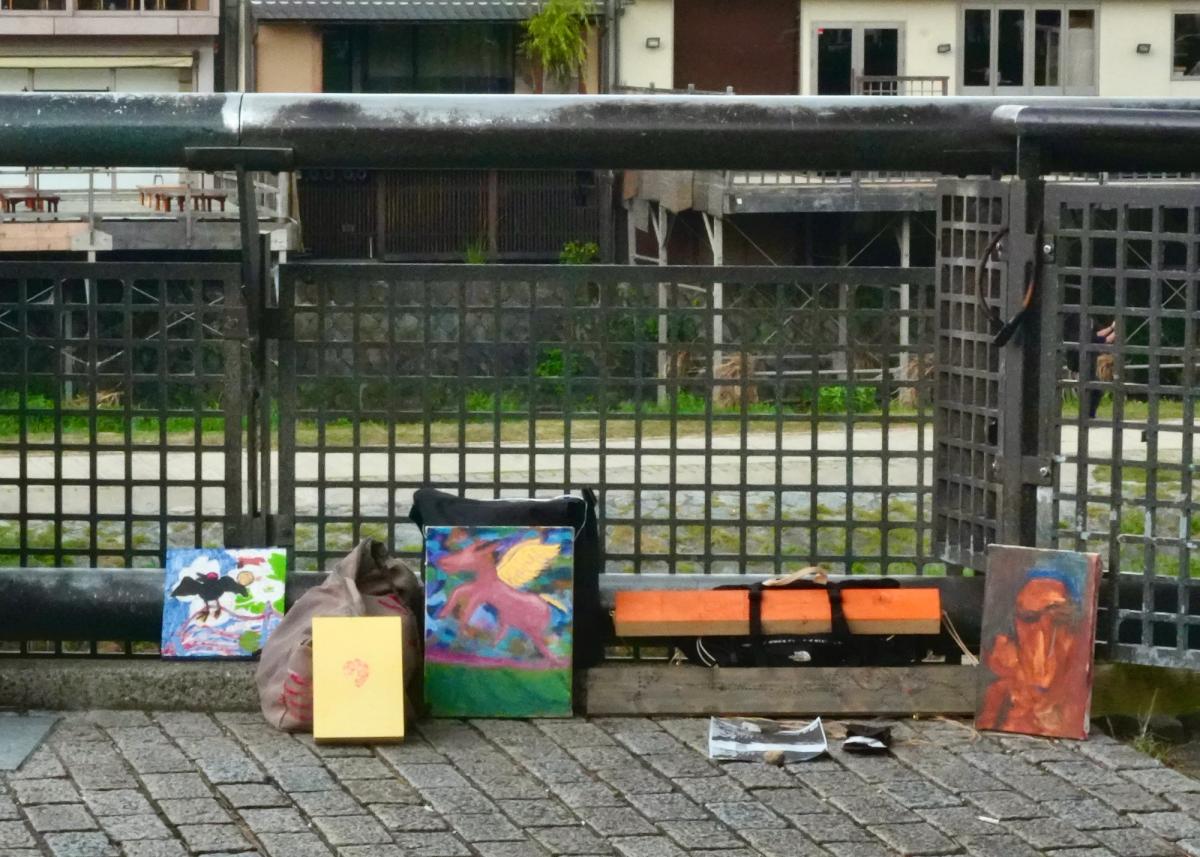
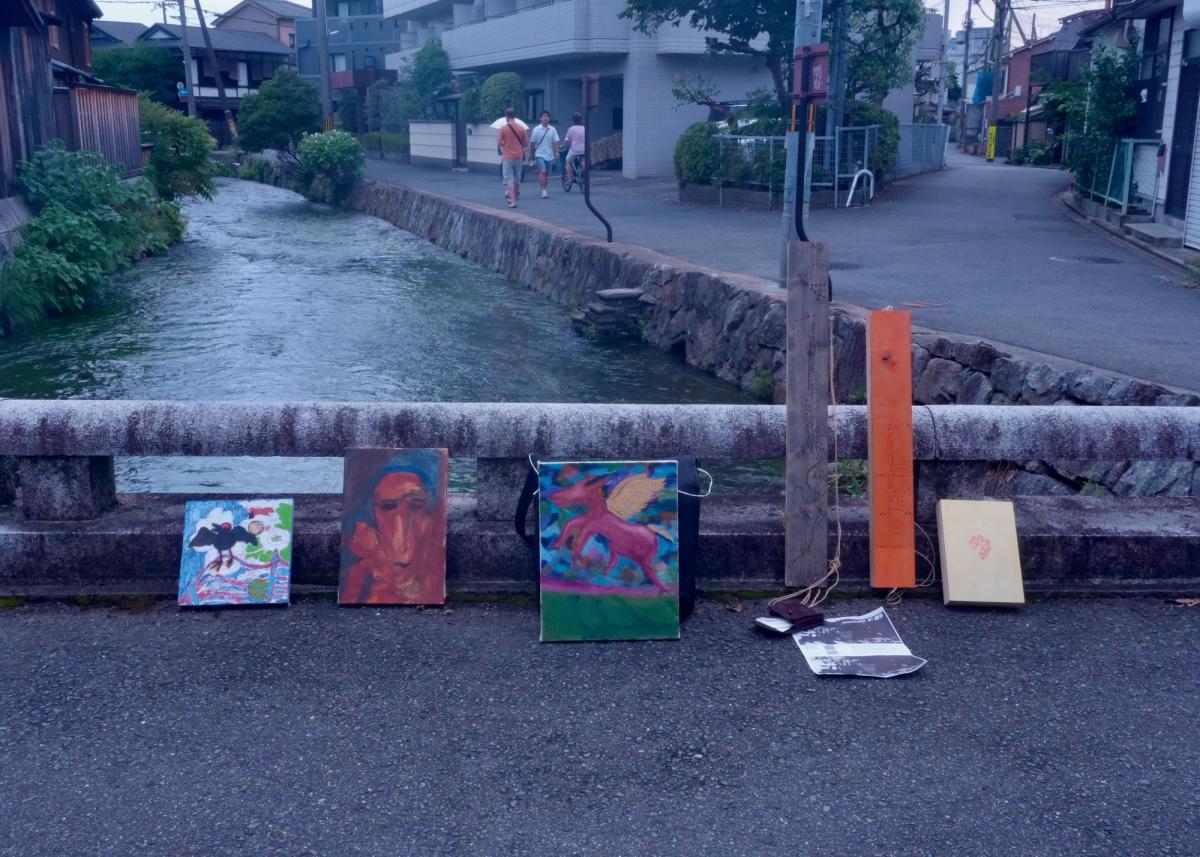
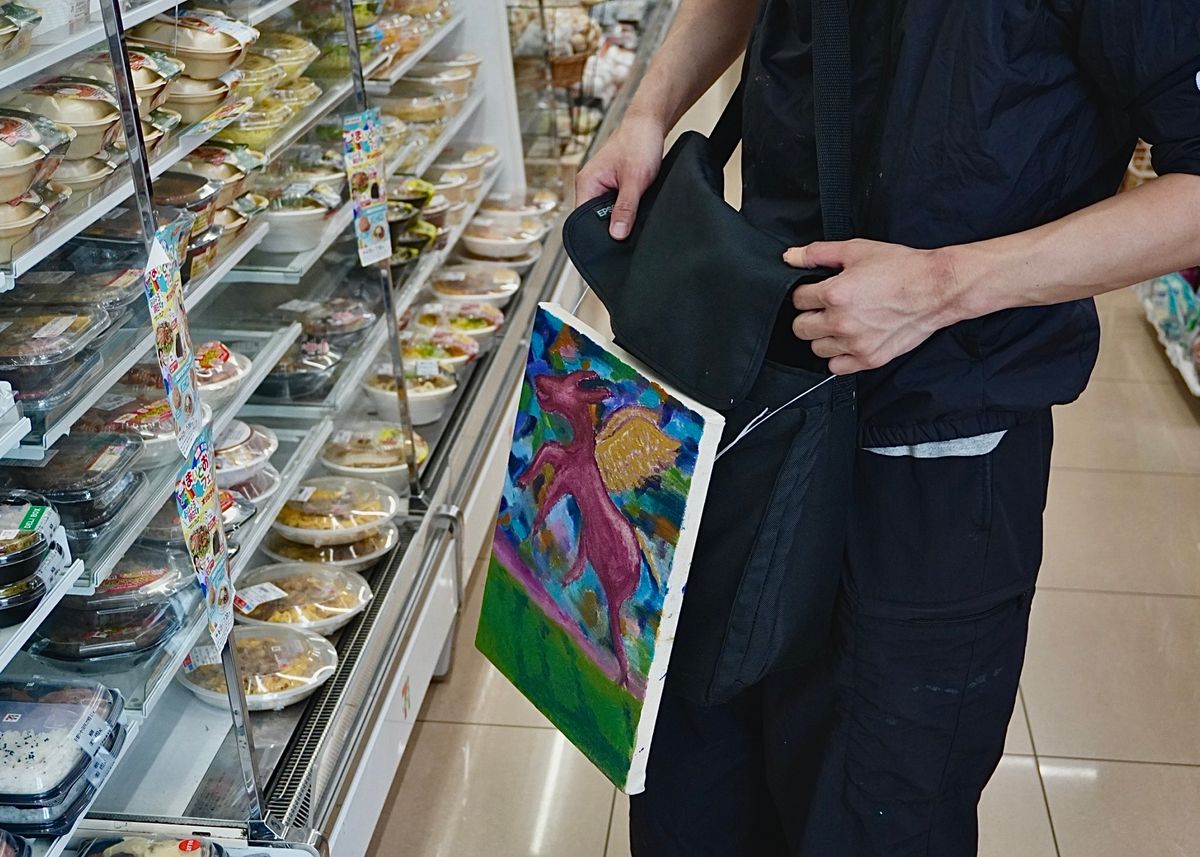
Within public space, the works spent far more time being carried, protected, unpacked, repacked, and moved than being fully displayed. Travelling together with their carriers through streets, stations, trains, parks, and the city itself, the changing condition of the works became part of the exhibition.
Apart from a small number of conversations, most of the displays received little sustained attention from passers-by. Rather than being regarded as a failure, this became one of the project’s most valuable observations. Looking back after the action, what mattered was not how many people stopped to watch, but how participants entered reality together, made decisions, adapted to changing conditions, and completed a shared action.
Exhibition
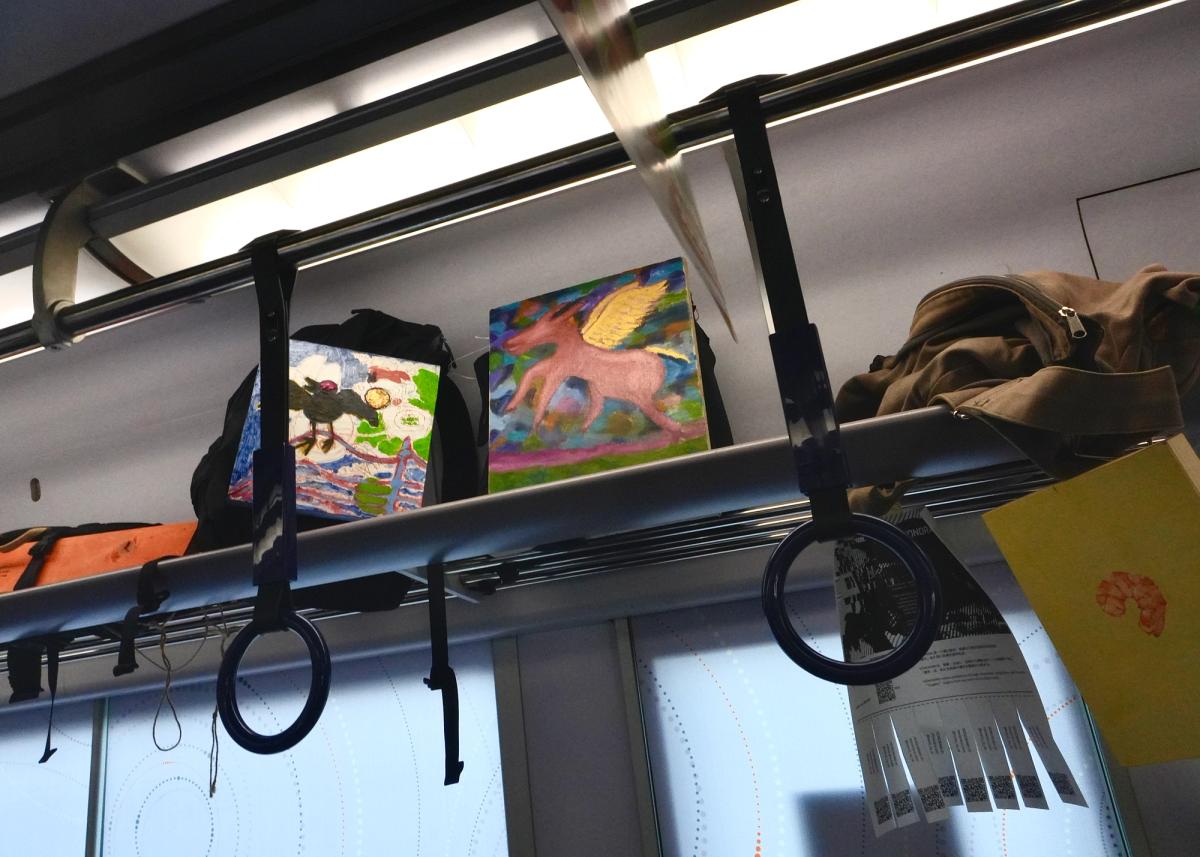
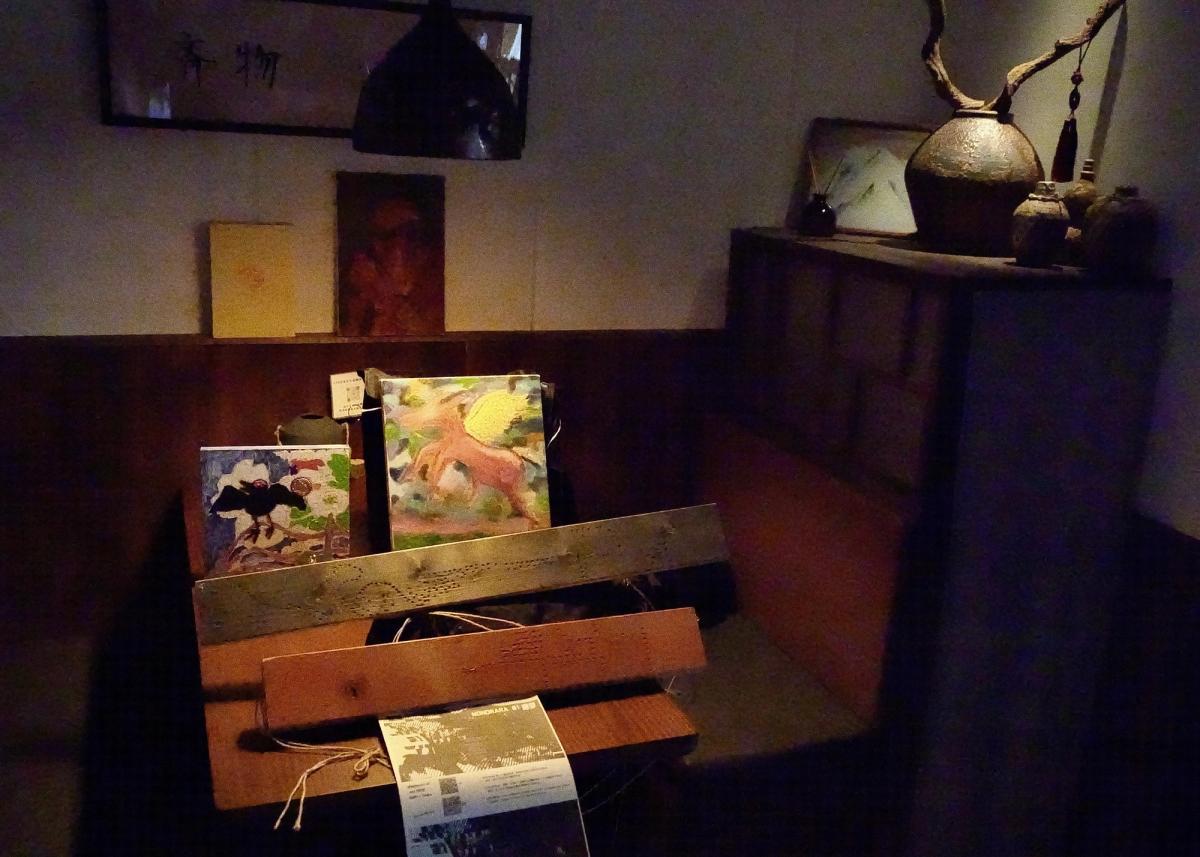
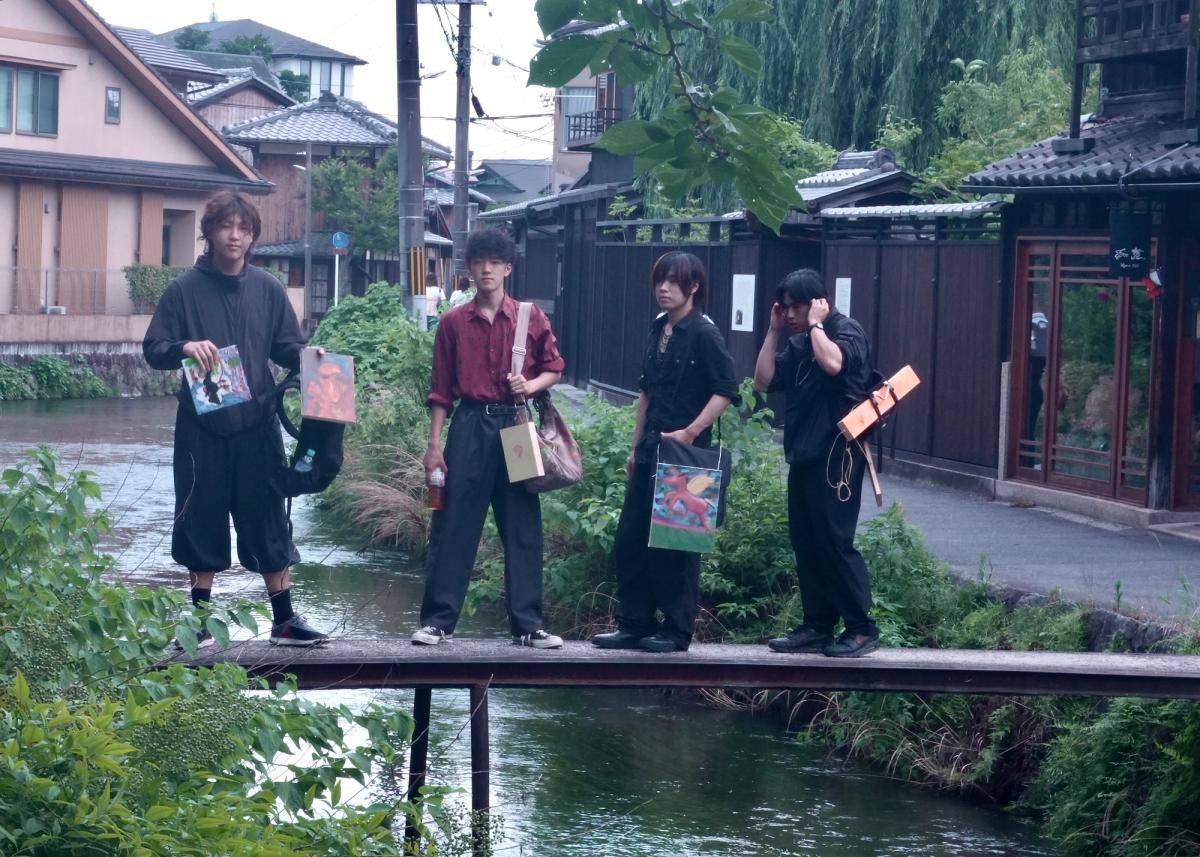
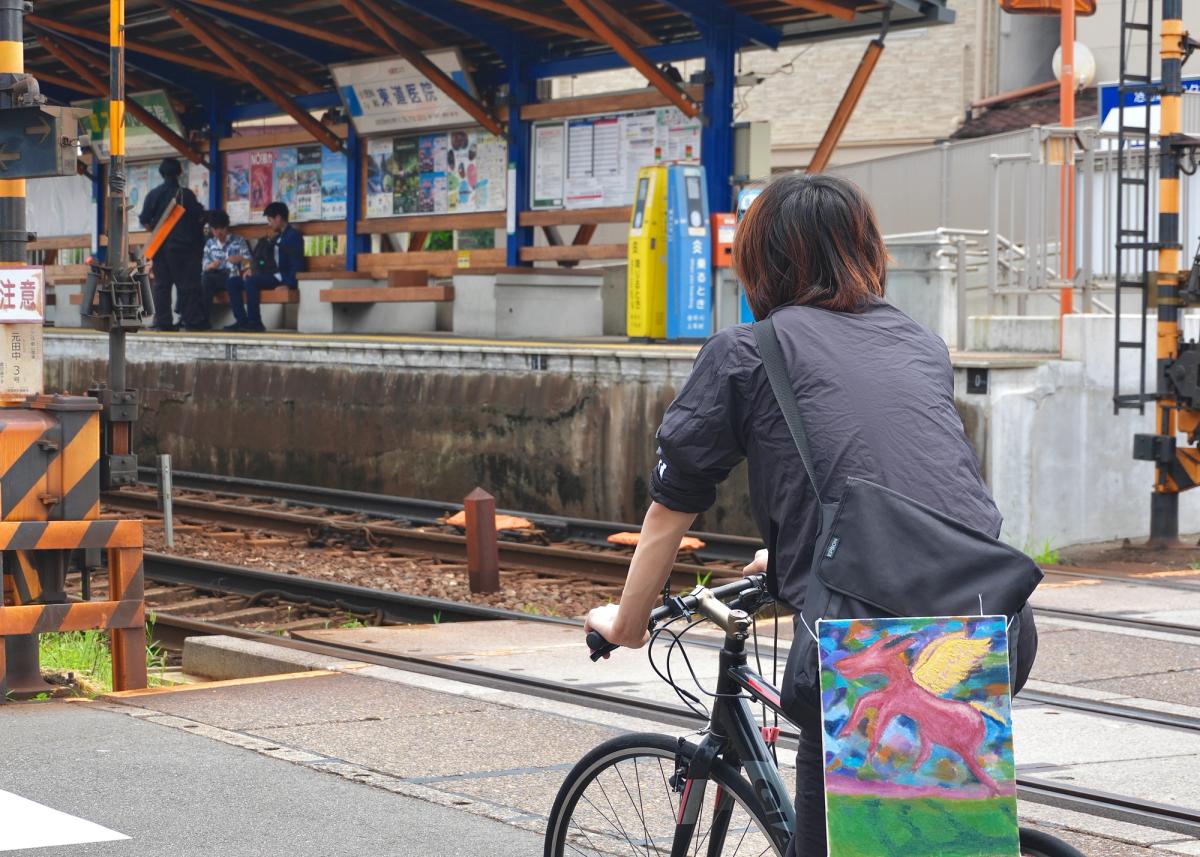
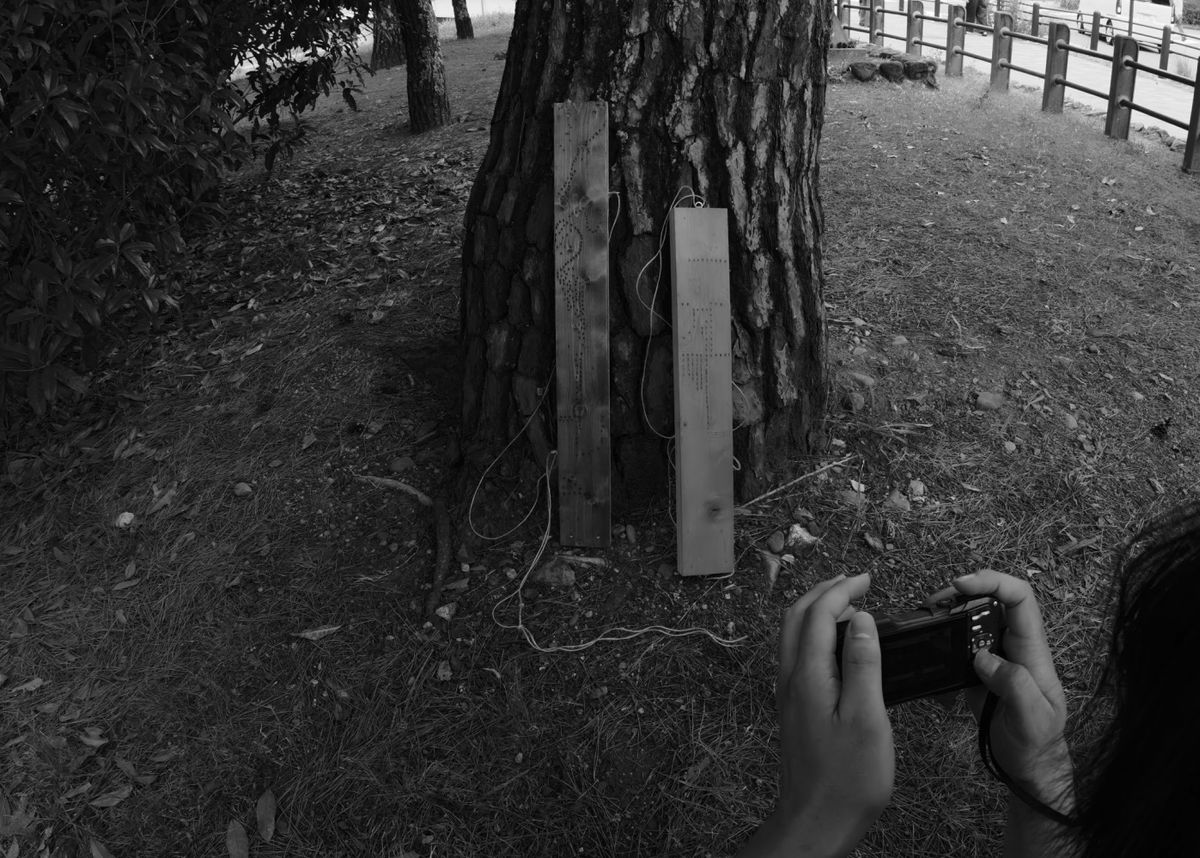
The following images document selected moments in which the works appeared across different public environments. Rather than remaining in a fixed exhibition space, the works continuously shifted between movement, temporary display, storage, and relocation. Each presentation depended on its surrounding conditions and the decisions made on site, rather than following a single fixed format.
Process
Before Tsugaku began, we spent months discussing routes, works, documentation, the website, roles, and methods of recording. Once the action started, however, it quickly became clear that preparation was only the beginning.
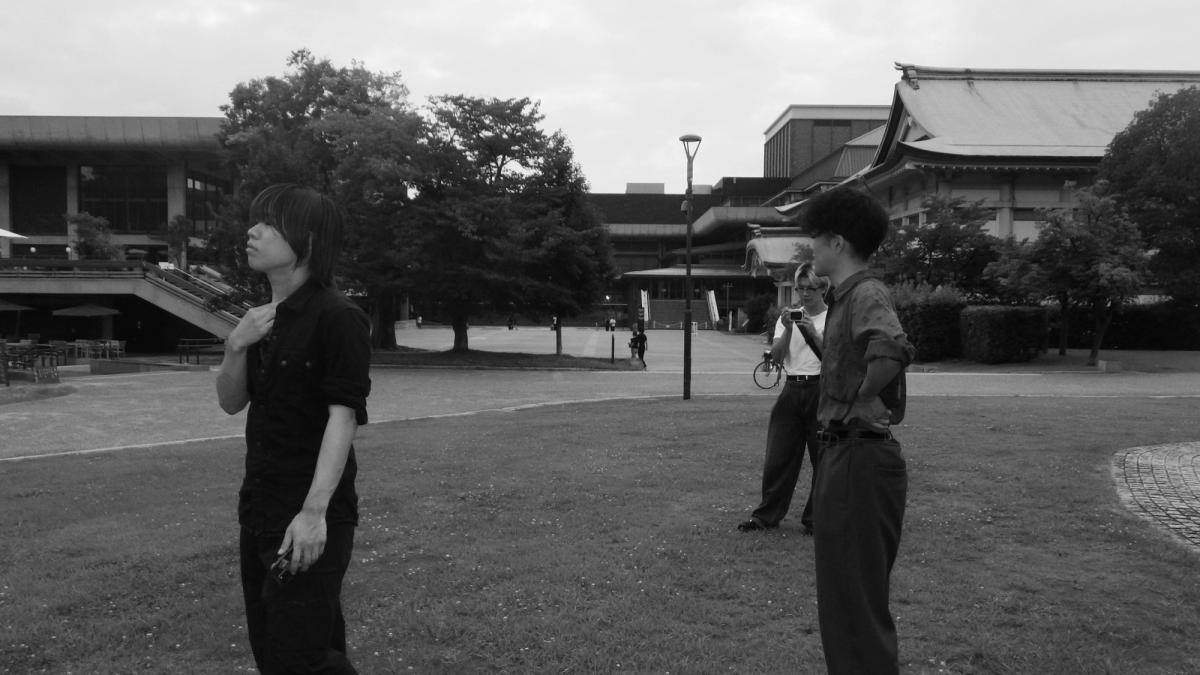
Across two days, routes changed, participants adapted, documentation shifted between members, works kept moving, and decisions continued to emerge. Some planned situations never happened, while many unplanned encounters, displays, and conversations took place instead.
Rather than reconstructing a single “correct” version of the project afterwards, we chose to preserve these changes themselves. This page documents not a fully controlled exhibition, but an action that actually took place.
Swipe horizontally to view more
Observations
Before the action began, most participants understood the route, schedule, and assigned roles rather than the action itself. Understanding emerged only through movement.
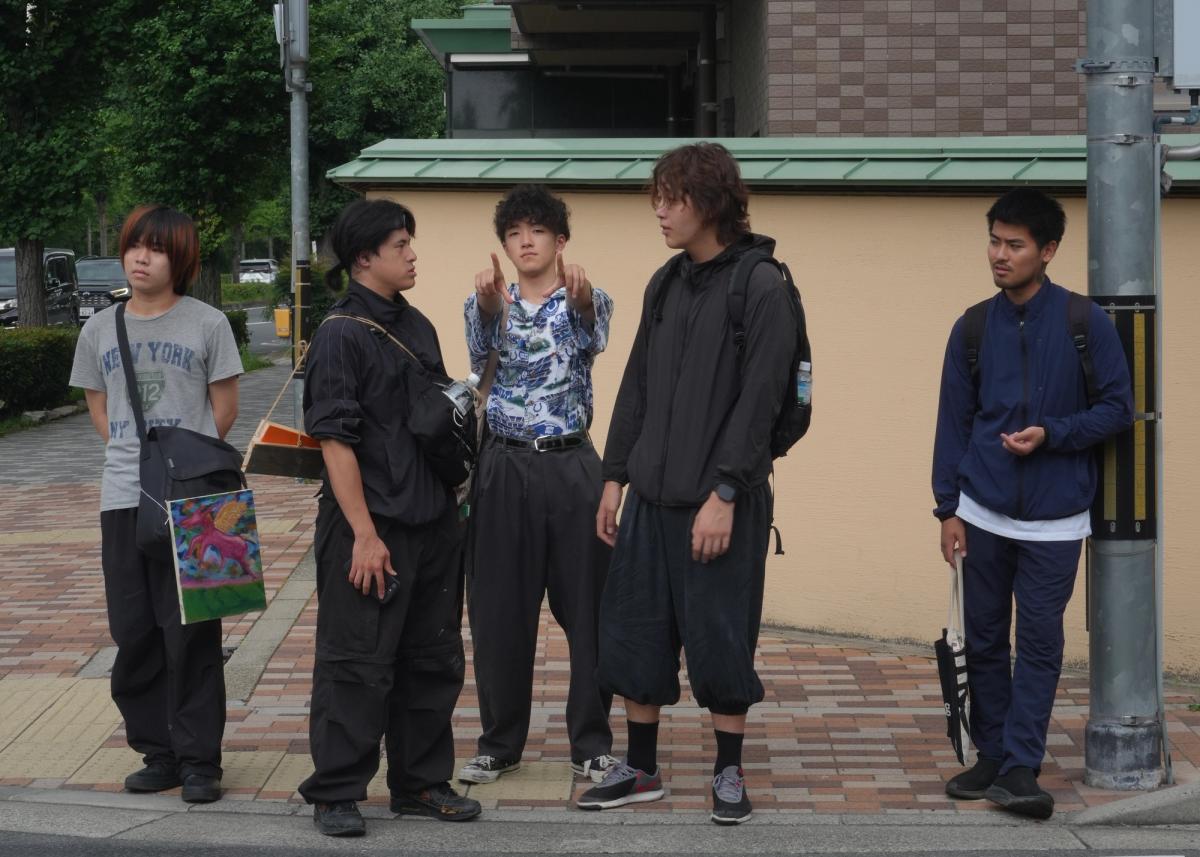
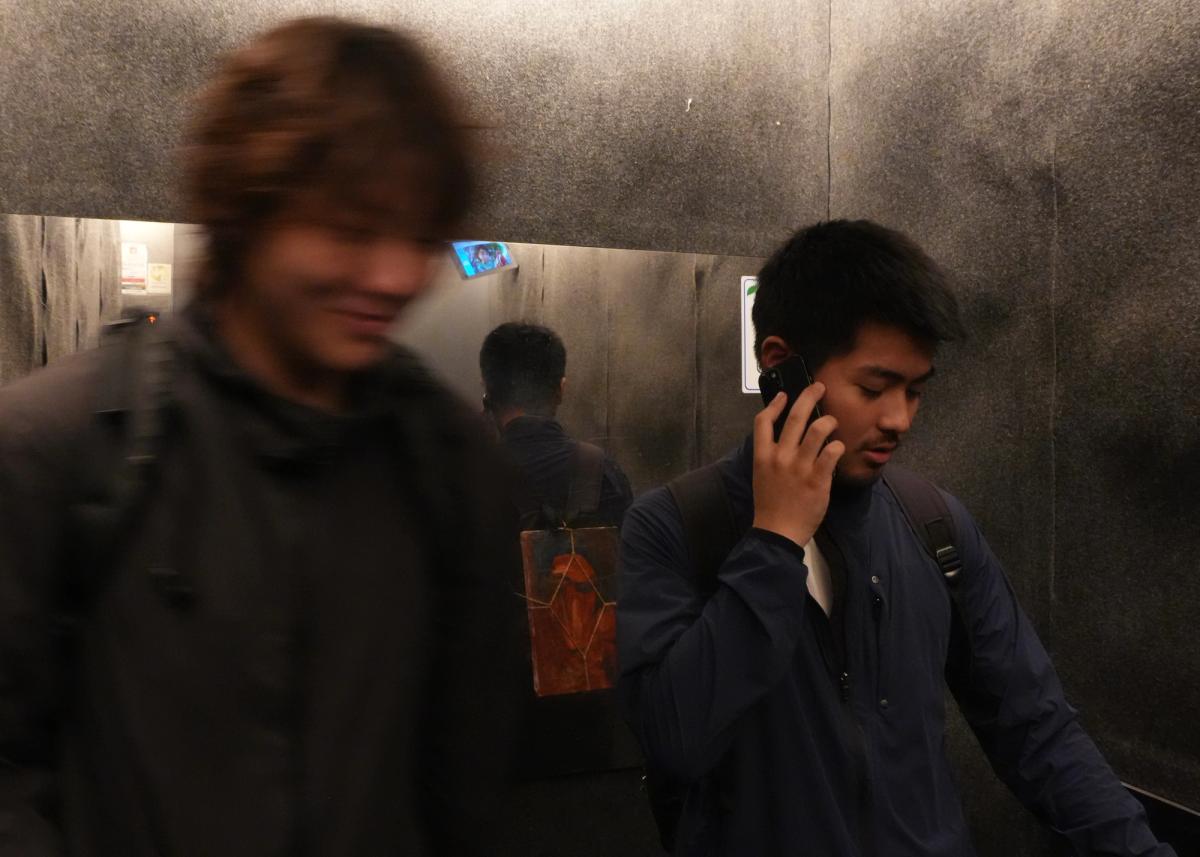
The works spent little time remaining on display. They were tied onto bicycles, carried by hand, transported on trains, placed on luggage racks, packed away again, and moved onward. As the condition of the works changed, so did the exhibition itself.
Most people in public space did not stop for long. Some paused briefly, some exchanged a few words, while many simply continued on their way. These reactions were not used to measure success, but became part of the project’s record of reality.
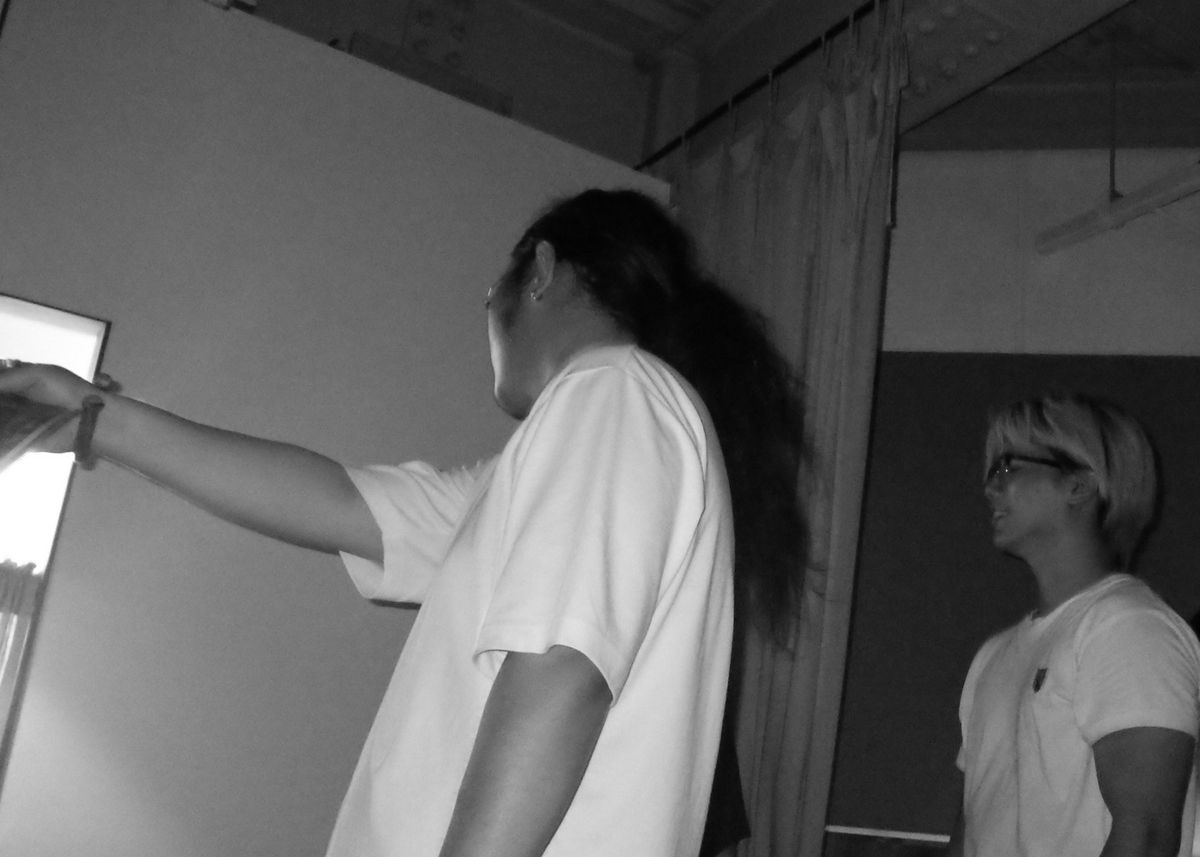
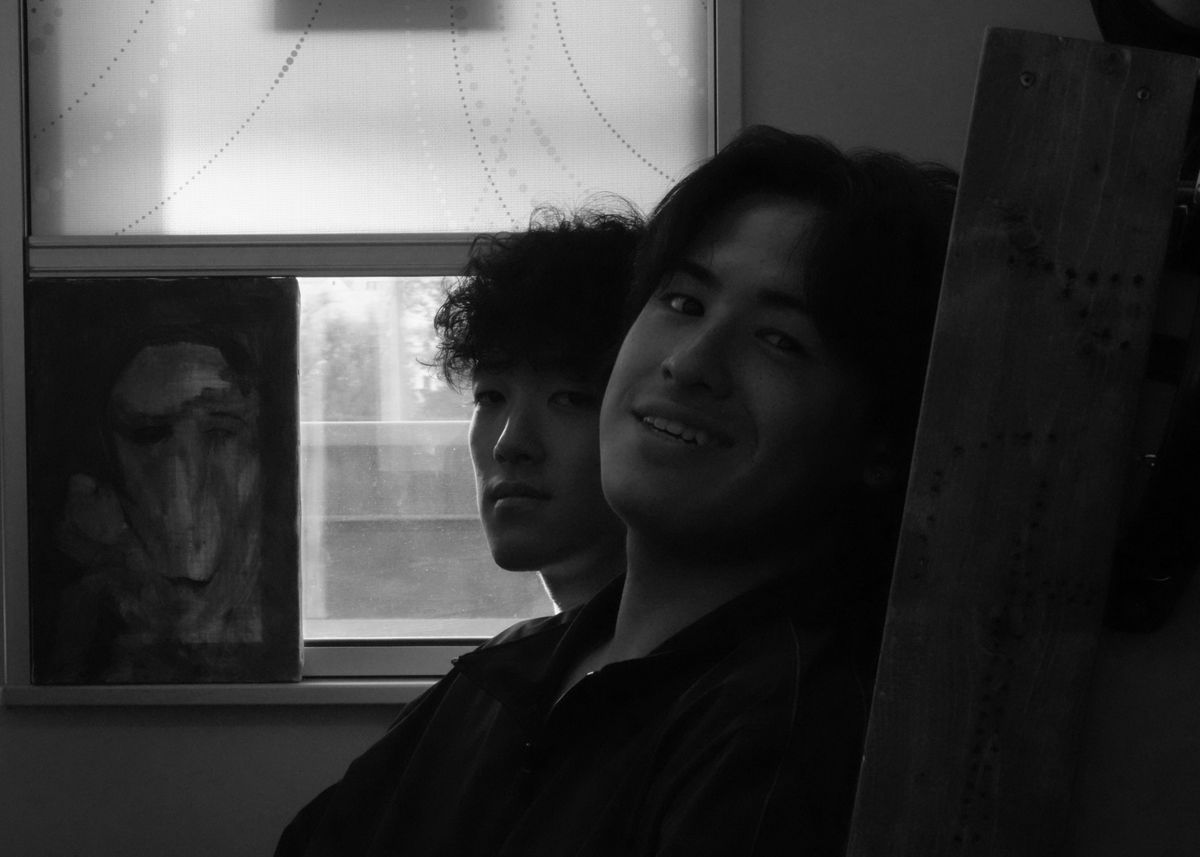
Participants also changed throughout the action. Some became increasingly active in documentation, others took responsibility for decisions on site, while some began questioning both the project and their own works. Collaboration itself gradually became part of the exhibition.
Tsugaku did not unfold exactly as planned.
Extreme heat and delayed arrivals meant that four of the five participants arrived late on the first day, postponing the Okazaki Park section until the following day.
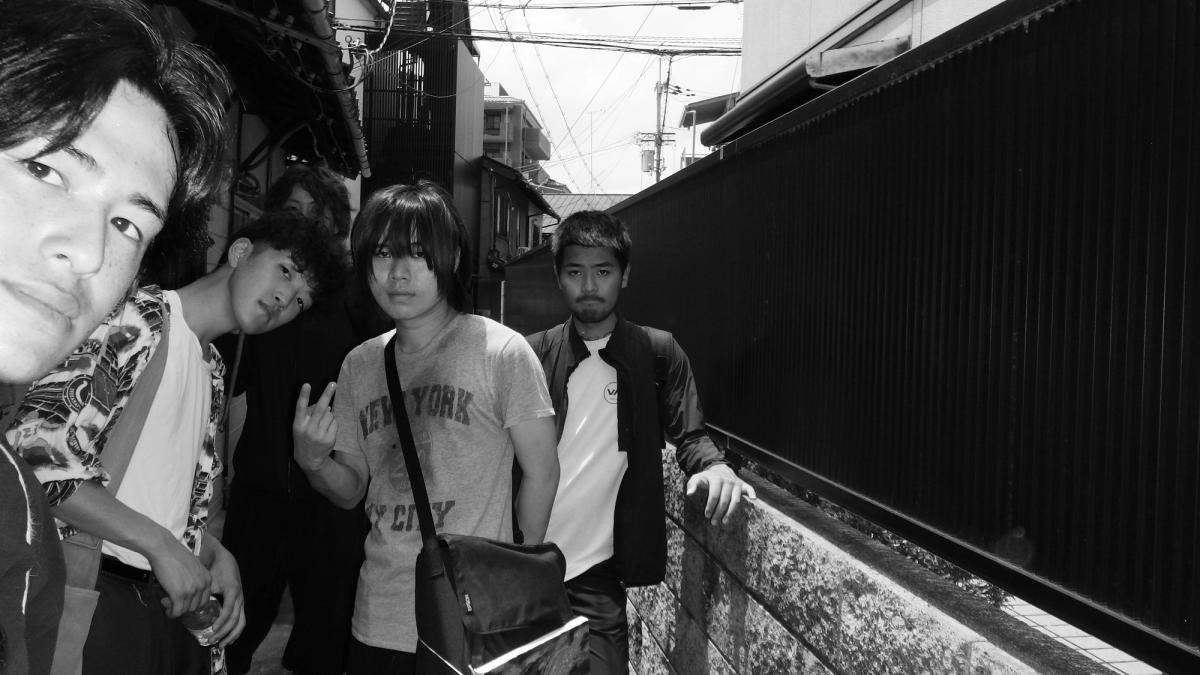
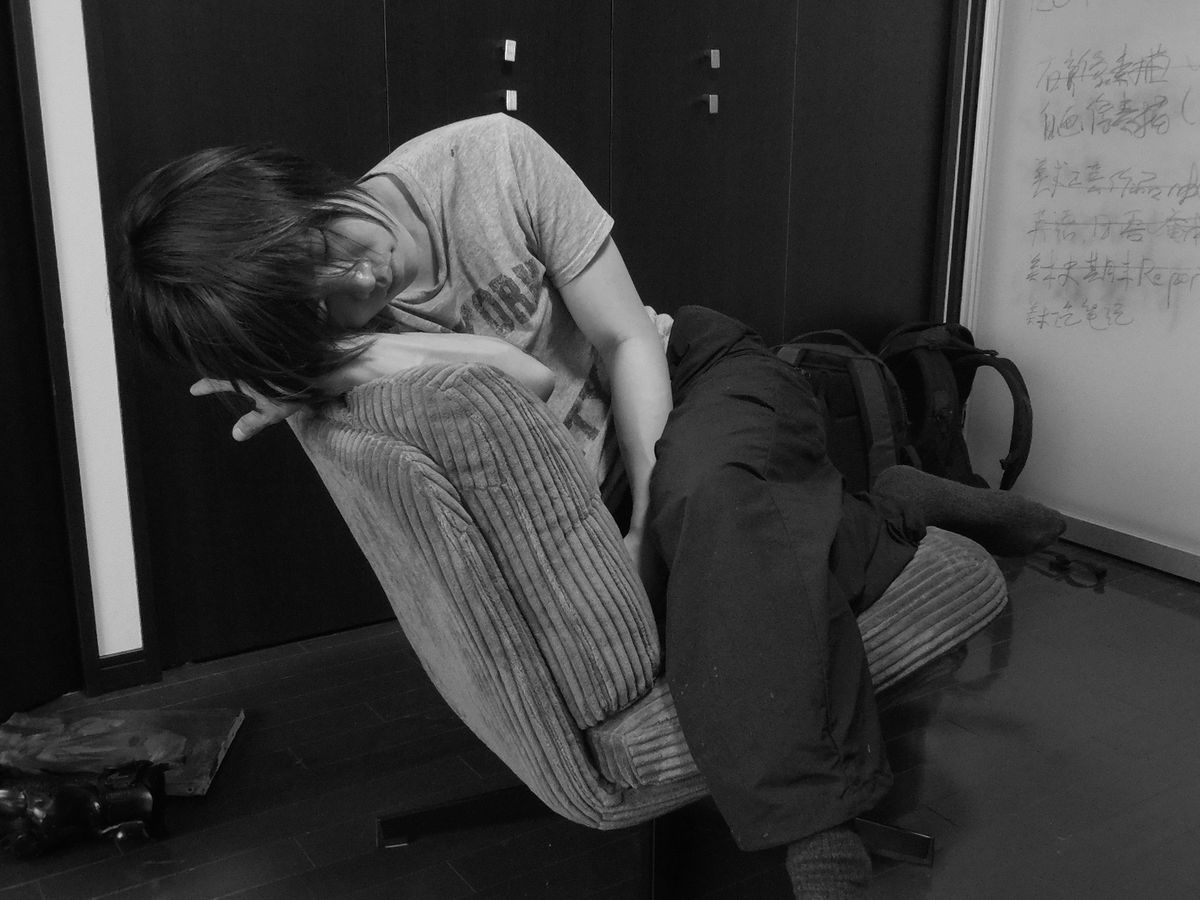
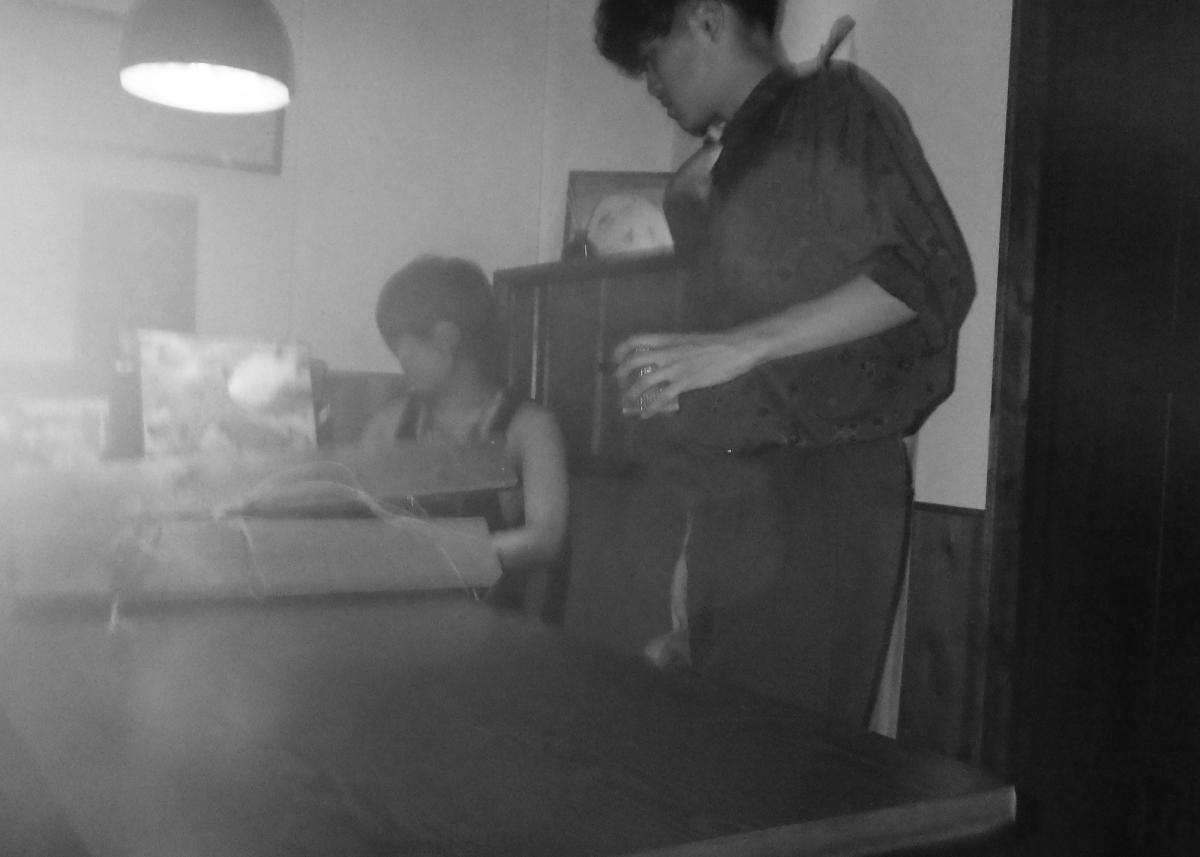
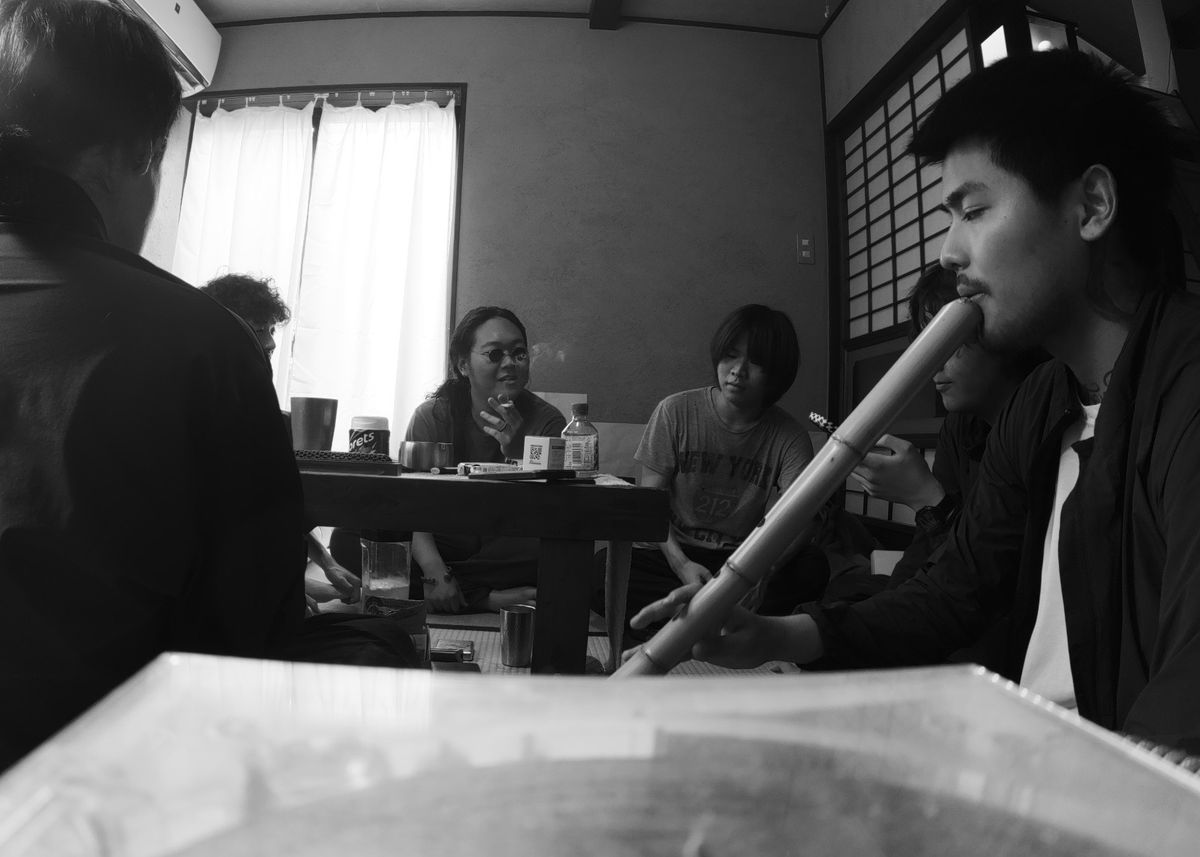
Throughout the project, participants occasionally became separated before regrouping, while routes continued to change in response to weather, physical condition, transportation, and on-site decisions. Frequent breaks were taken in apartments, cafés, and museums for rest, hydration, and equipment checks.
Some planned recordings never happened, while new display locations, new documentation, and new decisions emerged instead. On the second day, artist members began taking responsibility for parts of the route and on-site coordination, supported by additional documentation assistance.
Rather than being removed from the record, these incidents remain part of the action itself.
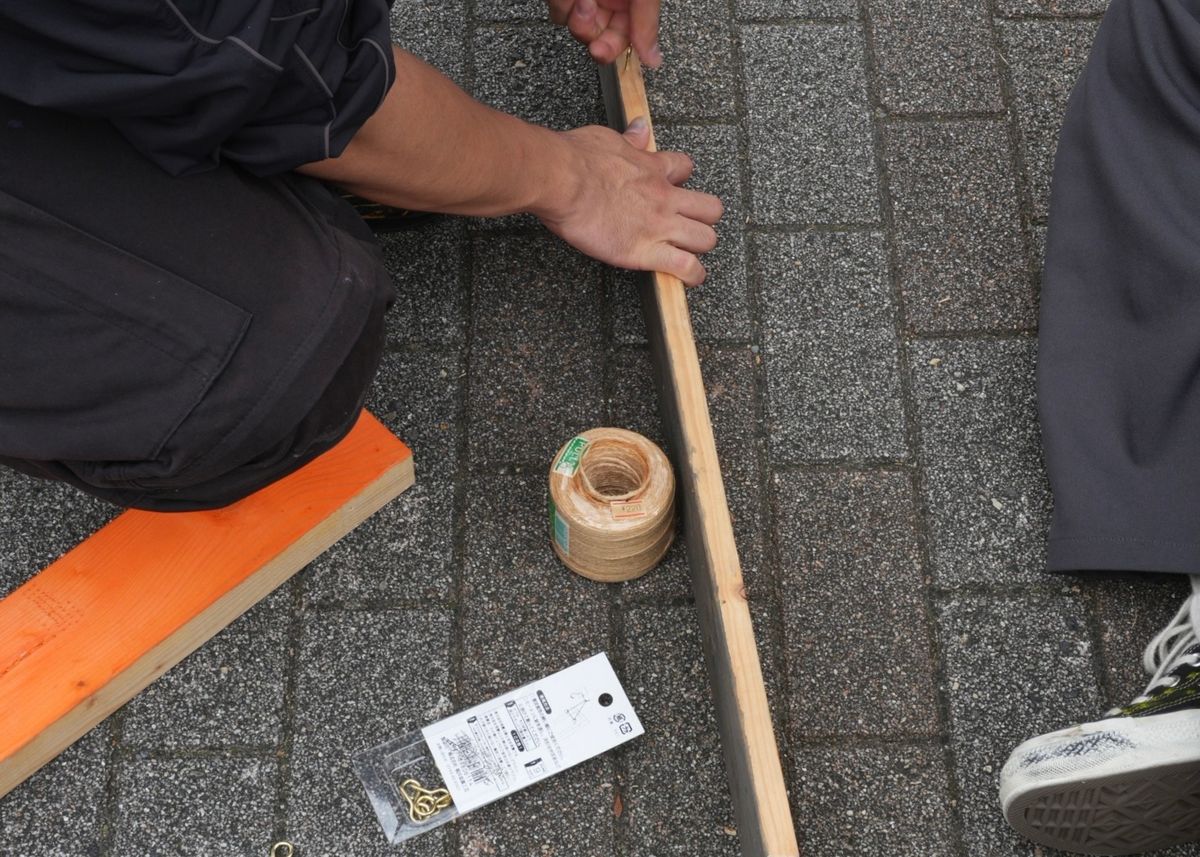
Swipe horizontally to view more
Reflections
Looking back on Tsugaku, we accomplished something that had once seemed difficult to realise. It was neither a mature project nor a perfect exhibition. Many plans remained unfinished, many decisions proved imperfect, and we still carry a sense of frustration about the conversations we never had and the displays we could not realise. Much of the time we were simply immersed in our own action, fully aware that there was also an element of self-satisfaction in what we were doing. Yet none of this diminished the value of the project.
As the organiser, I originally expected an inexperienced group attempting an equally inexperienced action. I anticipated confusion, mistakes, and the possibility that parts of the project might never be completed. What I witnessed instead was that every participant who remained until the end changed over the course of those two days. Some gradually took responsibility for documentation, some quietly supported others and the works, some began making independent decisions on site, while others continued reflecting and discussing the project long after it had ended. I did not see a group of already dependable people carrying out a dependable action. I saw a group of people who were not yet dependable gradually becoming so through an action that was itself uncertain and unfinished.
What remains is not only a collection of works, photographs, videos, or an archive, but also a shared process of growing together, a collaboration that genuinely took place, and fragments of youth that will be difficult to experience again in the same way. Tsugaku proved that such an action was indeed possible. It was difficult, but it truly happened, and that experience has become our reason to continue with the next action.
2026.08
Feb.Liu
Acknowledgements
Tsugaku was made possible through the support of many people and places. We sincerely thank all participating artists, photographers, collaborators, and everyone who contributed throughout the preparation, implementation, documentation, and archiving of this project. Although the action lasted only two days, it was built upon the shared generosity of time, space, equipment, venues, and mutual trust. We gratefully acknowledge the following institutions, venues, and everyone who took part in making this project possible.
Music Bar コイル アンド レイン 446 Aoi Center 2F, Ebisucho, Nakagyo Ward,Kyoto 604-8005,Japan
Cafe&Lunch NINIROOM 30-3 Higashimarutacho, Sakyo Ward,Kyoto 606-8395,Japan
斉物 熟成発酵酒バー 1F, 1-4-4 Higashitenma, Kita Ward,Osaka 530-0044,Japan
Kyoto University of the Arts Department of Fine and Applied Arts 56 Kitakazan, Uryuyama, Yamashina Ward,Kyoto 607-8175,Japan
Planning / Creative Direction / Operations / Text & Editorial / Graphic Design / Website Design / Printing & Promotion / Documentation / Video Editing
FEB.LIU
Photography
FEB.LIU / YOO GUNWOO / MASAYA KAWANO
Pre-production Assistance
SORANOSUKE SHIMA / ZHENGYI SUN
On-site Assistance
ITSUKI BANDO
Equipment & Technical Support
ZHENGYI SUN / MASAYA KAWANO